Before the First Flash: The Paperwork, Pay, and Boundaries That Keep a Pin-Up Shoot Fun
The glamorous part of a pin-up shoot is the lighting, the styling, and the moment a pose finally clicks. The unsexy part is the paperwork. And in 2026, the unsexy part is what protects the fun.
This is not legal advice. It is a practical road map for US-based models and photographers who want fewer surprises, cleaner communication, and better photos. The short version: decide the boring details before anyone touches a camera.
Start with a real conversation
Before the shoot, talk like adults with a plan. What is the mood? What is the wardrobe? What levels of coverage are on the table? Who is coming to set? Where are you shooting, and how long will it take? Put the answers in writing, even if it is just a shared email thread.
This is also the moment to confirm that everyone is 18 or older and to check government-issued ID if you do not already know the person. Do not rely on vibes or a social media profile. A professional shoot should feel easy, but it should not feel loose.
The model release: short document, big job
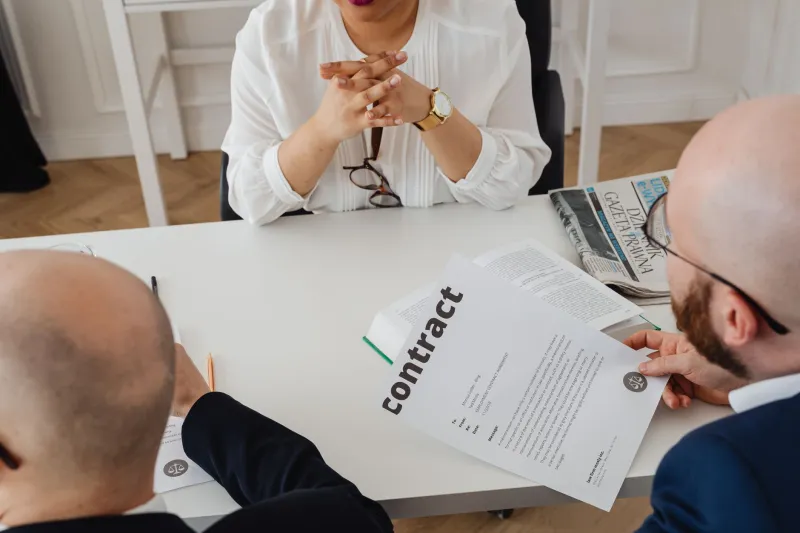
A model release is permission to use the images. It should identify the model, the photographer or studio, the date, and the location. It should explain what the model is being paid or what other consideration is being exchanged. It should spell out where the images can appear, for how long, and in what territory.
For adult-adjacent glamour work, the release should be clear about the explicit limits of the shoot and should never be signed blank. If the work involves adult content, US producers also need to understand record-keeping rules such as 18 U.S.C. 2257 and any state-level requirements that apply. Keep copies. Do not promise a release covers more than it says. And never work with anyone under 18, full stop.
If a model is represented by an agency, confirm who has authority to sign. If the photographer is using the images for a client, the release should name that client or clearly describe the permitted use. A release is not a substitute for payment, and payment is not a substitute for a release.
Rates and payment terms
Set the rate before the shoot. Hourly, half-day, full-day, or per-look are all normal in different corners of the industry. In the US, most models work as independent contractors, so the agreement should say who pays taxes and who covers expenses. A deposit of 25 to 50 percent is common and protects both sides from a last-minute cancellation.
Write down the cancellation policy. What happens if the photographer cancels? What happens if the model cancels? Is there a kill fee? Who pays for parking, tolls, wardrobe, or a studio rental? When is the final payment due, and how? Net seven or net fourteen is common for invoices. Day-of payment is common for smaller shoots.
Also discuss overtime, usage fees, and exclusivity. If the images will be used in advertising, third-party licensing, or a paid campaign, that is usually a separate conversation from a portfolio trade. Cheap is not a business model. Clear rates are.
Boundaries are creative guardrails
Comfort boundaries are not a mood killer. They are the reason a model can relax enough to give a great performance. Talk about wardrobe limits, nudity levels, touching, closed set, who stays in the room, breaks, and what happens if someone wants to change the plan mid-shoot.
Agree on a simple way to pause. It can be a word, a hand signal, or just the understanding that no means no the first time. The photographer should check in during wardrobe changes and before any new pose that is outside the original plan. The model should feel free to say no without a penalty or a lecture.
Good boundaries also cover the small stuff: pronouns, music, temperature, snacks, bathroom access, and how much direction the model wants. A shoot is a collaboration. Respect is not extra credit. It is the baseline.
Image usage: decide before the shutter clicks
Where will the photos live? Portfolio, social media, the photographer's website, a magazine, a print sale, an ad, or a third-party license? For how long? In what territory? Will the model get credit? Can the model ask for a takedown later? What about retouching limits, cropping, and watermarks?
In 2026, add one more line: AI. If the images cannot be used to train AI models or to create synthetic likenesses, say so in the agreement. If they can, say that too. Ambiguity is where trust goes to die.
A good rule is simple: if a use is not named, it is not granted. Put the usage terms in the release or in a separate agreement that both parties sign. Keep a copy where both people can find it.
Paperwork leads to better photos
When the release is signed, the rate is clear, and the boundaries are written down, the brain has room for the fun part. The model can focus on posing. The photographer can focus on lighting. Nobody is negotiating in a dim room while holding a garment steamer.
That is the real production value. Not a bigger softbox. Not a fancier location. Respect, clarity, and a paper trail. Handle the unsexy side first, and the pin-up side gets to be exactly what it should be: playful, confident, and worth putting on the site.