The Keepsake Clause: Why One Personal Piece Outshines a Prop Trunk
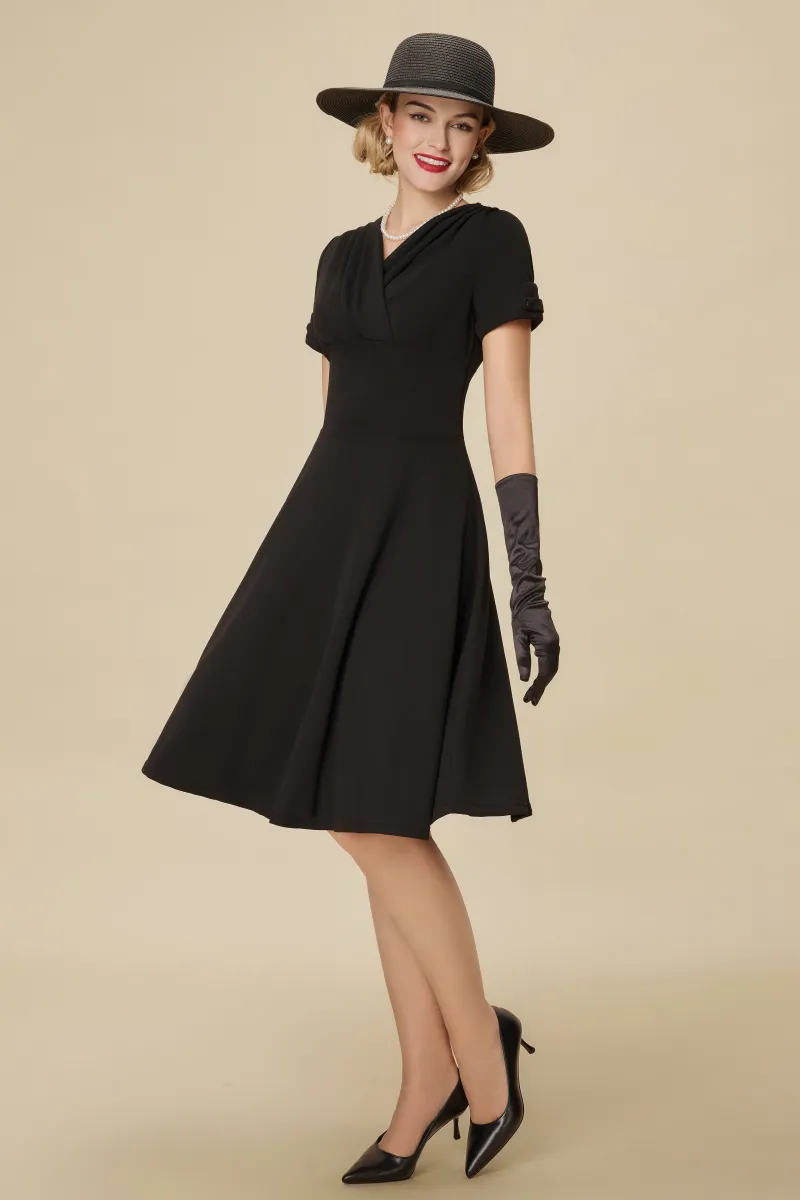
Photo: vintage brooch pinned to silk robe flat lay warm studio light, via www.babeyond.com
Prop trunks are fun. A rack of thrifted scarves, a box of rhinestone sunglasses, and a pair of fishnets still in the package can turn a Tuesday shoot into a whole mood. But there is a special kind of magic that happens when a curve model reaches past the borrowed stuff and pulls out one thing that actually belongs to her. Maybe it is a grandmother’s brooch with a missing stone. Maybe it is a bracelet that has been on her wrist since college. Maybe it is a scarf that smells faintly like the person who gave it to her. In a pin-up gallery, that object does more than accessorize. It gives the set a center of gravity.
At PB Gals, we love a styled fantasy. We also love a feature that feels like a person, not a mannequin. That is the case for what we call the keepsake clause: one personal piece, chosen with care, can anchor a pin-up persona better than a prop closet full of trend pieces. The trick is knowing how to pick it, shoot it, and talk about it without turning a playful gallery into a memoir.
The Case for One Thing That Means Something
Trend pieces are designed to be noticed and then forgotten. A lucite handbag or a feather boa can be gorgeous, but it does not know anything about the model wearing it. A keepsake does. It carries a little history, a little private joke, a little evidence of a life outside the studio.
That is why one meaningful object often reads louder on camera than ten borrowed props. It gives the model something to do with her hands and something to think about behind her eyes. A pin-up set is already a performance of charm and confidence. A keepsake adds a quiet layer underneath: this is still me.
For a curve model building a feature, that layer matters. Audiences connect with personality, not just poses. The right object can become a signature without feeling like a gimmick. Think of it as a visual wink rather than a billboard.
The Three-Question Test Before It Goes in the Bag
Not every sentimental thing belongs in a glamour shoot. Before a model commits to an heirloom or keepsake, she can run it through three simple questions.
First: does it survive a close-up? A tiny charm that disappears against a busy print may not be the hero. A brooch, a bangle, a hair comb, a compact mirror, or a scarf with a strong color story tends to hold its own. It does not need to be expensive. It needs to be readable.
Second: does it feel like the model on a good day? A keepsake should amplify the persona, not drag it into a mood. If the object makes her feel elegant, mischievous, or quietly proud, that energy will show. If it makes her feel obligated or sad, it is probably not the right piece for a playful gallery.
Third: can she tell a short story about it without opening a wound? A sentence or two is plenty. “It was my grandmother’s, and I used to play dress-up with it” is enough. The audience does not need the full family tree. The object should add warmth, not require a content warning.
Styling It Without Letting It Run the Room
A keepsake works best when it is treated like a costar, not the whole plot. If the object is a brooch, let it pin a simple wrap top or a silk robe rather than competing with a dozen necklaces. If it is a bracelet, give it a bare wrist and a soft sleeve. If it is a scarf, use it as a hair tie, a neck knot, or a drape over one shoulder and keep the rest of the look clean.
The same rule applies to color. A faded heirloom can look beautiful against cream, black, or a deep jewel tone. It can also vanish against a print that is doing too much. When in doubt, simplify the outfit and let the object be the detail people notice on the second scroll.
And if the piece is fragile, do not force it into a pose that could damage it. A quick styling clip, a hidden pin, or a backup look can save the day. The goal is glamour, not a restoration project.
How to Photograph a Small Object Like a Star
Small keepsakes need their own moment. A gallery that only shows the object as a tiny speck on a wrist is leaving a good story untold. Models and photographers can plan three kinds of shots: a wide shot that shows how the piece fits the full look, a medium shot where the object sits near the face or hands, and a detail shot that fills the frame.
Light matters more than lens. Soft window light or a diffused studio source will show texture, patina, and engraving without turning a delicate piece into a glare. For metal, angle the object slightly away from the light so it glows instead of flashing. For fabric, side light will reveal the weave and any vintage wear.
A detail shot also gives the feature a natural place to breathe. It can sit between full-body poses like a visual comma. That keeps the gallery playful and paced, especially for audiences who like to linger.
Writing It Into a Bio Without Writing a Memoir
A keepsake can make a model bio more memorable, but oversharing kills the charm. The best approach is one clear sentence that names the object, hints at its meaning, and keeps the door slightly open.
For example: “The pearl brooch is my grandmother’s. She wore it to every dance she ever loved.” That gives readers a feeling without handing over an address, a full name, or a family history. Or: “The scratched bracelet has been on my wrist since a road trip I still refuse to explain.” That is playful, personal, and just mysterious enough.
Avoid turning the bio into an inventory of grief or obligation. The keepsake clause is about sparkle with substance, not confession. A little privacy is part of the glamour.
When the Piece Is Fragile, Private, or Just Odd
Sometimes the most meaningful object is not camera-ready. A fragile lace glove may not survive a shoot. A private ring may be too loaded for a public gallery. A weird little charm may be perfect in person and confusing on screen. That does not mean the model has to abandon the idea.
She can photograph a similar silhouette, use a safe substitute for the shoot, or describe the original in her bio while wearing a stand-in. The feeling is the point. The object is the anchor, not a hostage.
The Last Look
A pin-up feature is a collaboration between costume, pose, light, and personality. The keepsake clause simply gives that collaboration a heartbeat. One personal piece can make a gallery feel less like a styled set and more like a invitation into someone’s world. That is the kind of detail audiences remember, and it is the kind of detail that makes a curve model’s feature unmistakably hers.